
HEALTH & NUEROSCIENCE
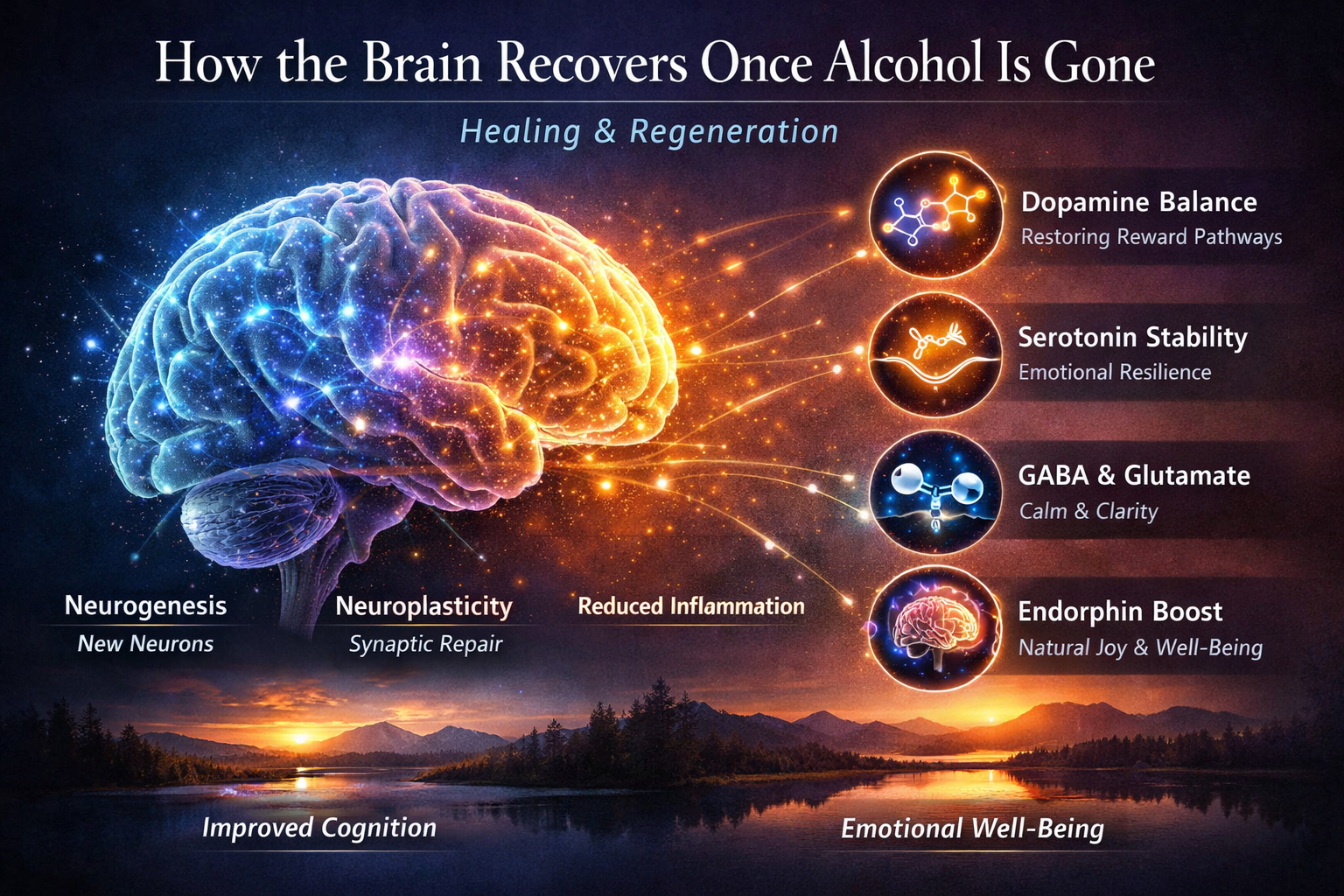
When you give up drinking alcohol, your brain and neurotransmitters undergo a process of regeneration and repair!!
Alcohol is a serious disrupter to the normal balance of how our neurotransmitters behave. Removing alcohol allows the brain to begin restoring equilibrium and function in a much higher level of cognition and emotional well-being. It all starts happening very quickly and it’s noticeable improvements on the regular.
The Neurotransmitters
Glutamate, GABA, dopamine, serotonin, and endorphins—undergo a significant process of regeneration and rebalancing. Here’s how they all interact and recover together after alcohol cessation:
1. Early Withdrawal Phase (Days 1–7)
Glutamate: Alcohol suppresses glutamate, an excitatory neurotransmitter that stimulates brain activity. When you quit, there’s a rebound effect, causing a surge in glutamate levels. This overactivity leads to symptoms like anxiety, irritability, and restlessness.
GABA: Alcohol enhances GABA, the brain’s main inhibitory neurotransmitter, which has calming and sedative effects. After quitting, GABA levels drop, leading to hyperexcitability, insomnia, and difficulty relaxing.
Dopamine: Alcohol increases dopamine, a neurotransmitter associated with pleasure and reward. When alcohol is removed, dopamine levels plummet, causing low mood, lack of motivation, and even depression.
Serotonin: Alcohol artificially boosts serotonin, which regulates mood and emotional balance. In early sobriety, serotonin levels temporarily drop, leading to mood swings, depression, and anxiety.
Endorphins: Alcohol stimulates endorphins, chemicals that reduce pain and create feelings of euphoria. When you stop drinking, endorphin levels decrease, which can contribute to feelings of emotional discomfort.
2. Early Recovery Phase (Weeks 2–8)
Glutamate and GABA Balance: The brain starts to adjust to the absence of alcohol. Glutamate levels gradually stabilize, reducing feelings of hyperactivity and anxiety. At the same time, GABA production increases, helping you feel calmer and sleep better.
Dopamine Recovery: Dopamine production slowly recovers, though it takes time. As natural rewards like exercise, social interactions, and hobbies trigger dopamine release, your mood and motivation begin to improve.
Serotonin Rebalancing: Serotonin levels begin to normalize, reducing mood swings and anxiety over time. As serotonin stabilizes, you’ll experience better emotional regulation and an improved sense of well-being.
Endorphin Healing: As your brain starts to heal, natural endorphin production increases, leading to improvements in mood, stress resilience, and overall well-being.
3. Long-Term Recovery and Neuroplasticity (Ongoing)
Glutamate: By this stage, glutamate levels return to normal, helping with cognitive functions such as learning, memory, and focus. Symptoms of hyperexcitability fade, and mental clarity improves.
GABA: The GABA system fully recovers, restoring emotional balance, reducing stress, and improving sleep. This creates a more stable, relaxed state of mind.
Dopamine: As your brain’s reward pathways regenerate, dopamine production becomes more natural, making you feel more motivated, optimistic, and capable of enjoying life without alcohol.
Serotonin: With long-term sobriety, serotonin levels stabilize, leading to sustained emotional resilience, reduced anxiety, and greater happiness.
Endorphins: The brain’s ability to produce endorphins naturally strengthens, enhancing your overall sense of joy and physical well-being.
Overall Holistic Improvements
Emotional Stability
As serotonin, GABA, and dopamine rebalance, you’ll experience more consistent mood regulation, reduced stress, and greater emotional stability.
Improved Cognitive Function
The recovery of glutamate, combined with neuroplasticity, leads to better memory, focus, and cognitive sharpness.
Increased Natural Joy
With the normalization of dopamine and endorphin production, you’ll regain the ability to find pleasure in natural, healthy activities without relying on alcohol.
Conclusion
The regeneration of neurotransmitters after quitting alcohol is a complex process that involves the gradual rebalancing of glutamate, GABA, dopamine, serotonin, and endorphins. While early sobriety is marked by temporary imbalances (like increased anxiety or low mood), long-term recovery leads to restored emotional stability, improved cognitive function, and a renewed sense of well-being. Each neurotransmitter contributes to this holistic healing, allowing your brain to function optimally without alcohol.
The Brain
Reversing Alcohol’s Toxic Effects on the Brain
Once you stop drinking, your brain begins a miraculous recovery from all the damage. Therefore, we almost immediately begin to restore emotional balance while improving mental clarity and joy.
1. Restoration of Neurogenesis (Growth of New Neurons)
One of the key processes that resume after abstinence is neurogenesis, especially in the hippocampus, a brain region important for memory and learning. Chronic alcohol use can suppress the production of new neurons, but once drinking stops, neurogenesis can gradually resume, helping to restore cognitive functions like memory.
2. Reduction in Brain Inflammation
Alcohol induces neuroinflammation, which can damage brain cells. After a period of abstinence, this inflammation typically decreases. As inflammation subsides, the brain can start repairing damaged cells and connections, improving overall brain health.
3. Synaptic Remodeling
The brain’s synapses—connections between neurons—play a crucial role in learning and memory. Chronic alcohol consumption weakens synapses, impairing these cognitive functions. During recovery, synaptic plasticity can improve, meaning the brain becomes more capable of forming and strengthening new connections between neurons. This process helps the brain regain some of its ability to learn and adapt.
4. Increase in Brain Volume
Long-term alcohol abuse can lead to brain shrinkage, particularly in areas like the frontal lobes and hippocampus. Research has shown that after several months of abstinence, some individuals experience an increase in brain volume as neurons regain some of their lost size.
5. Improvement in Cognitive Functions
Cognitive functions such as attention, memory, and decision-making, which are often impaired by alcohol. As neuroplasticity returns, the brain becomes more efficient at processing information, which helps improve cognitive performance.
6. Balancing of Neurotransmitter Systems
Alcohol interferes with several neurotransmitter systems, particularly glutamate (which is involved in learning and memory) and GABA (which has calming effects). Over time, the brain adjusts to these disruptions, and in the absence of alcohol, these neurotransmitter systems begin to stabilize. This helps restore balance to the brain’s signaling, reducing anxiety, improving mood, and helping with clearer thinking.
7. Detoxification and Removal of Toxins
Alcohol is toxic to brain cells, causing oxidative stress and producing free radicals that damage neurons. After stopping drinking, the body’s natural detoxification processes help clear out these toxins. This, combined with reduced inflammation, helps repair cellular damage and promotes healthier brain function.
8. Improved Blood Flow to the Brain
Chronic alcohol use reduces blood flow to the brain, depriving it of oxygen and nutrients. After stopping drinking, blood flow improves, enhancing the brain’s ability to heal and function properly. This improved circulation helps the brain regenerate and repair damaged tissues.
-
Our downloads have everything you need to supplement this course.