Add a video
HEALTH & NUEROSCIENCE
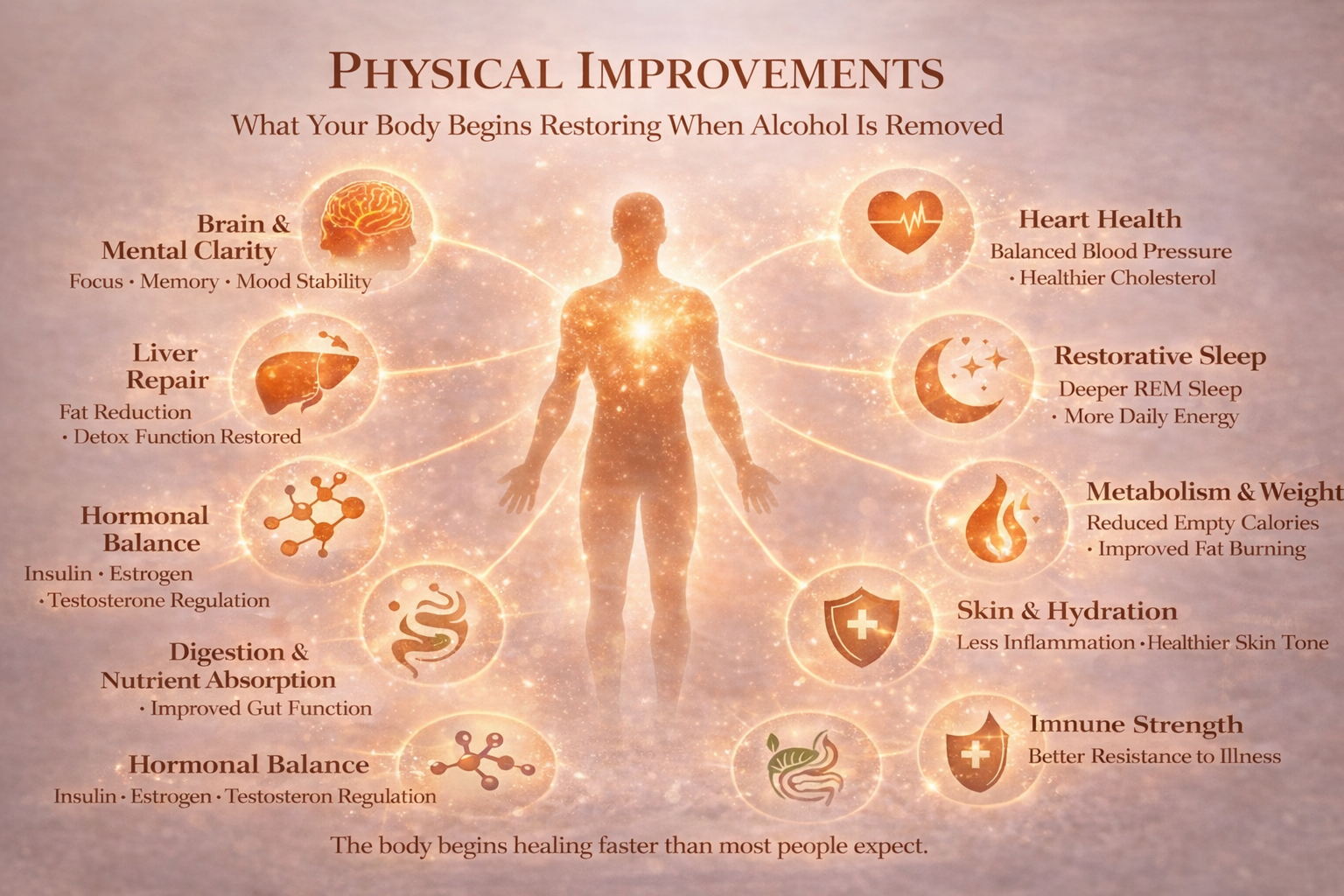
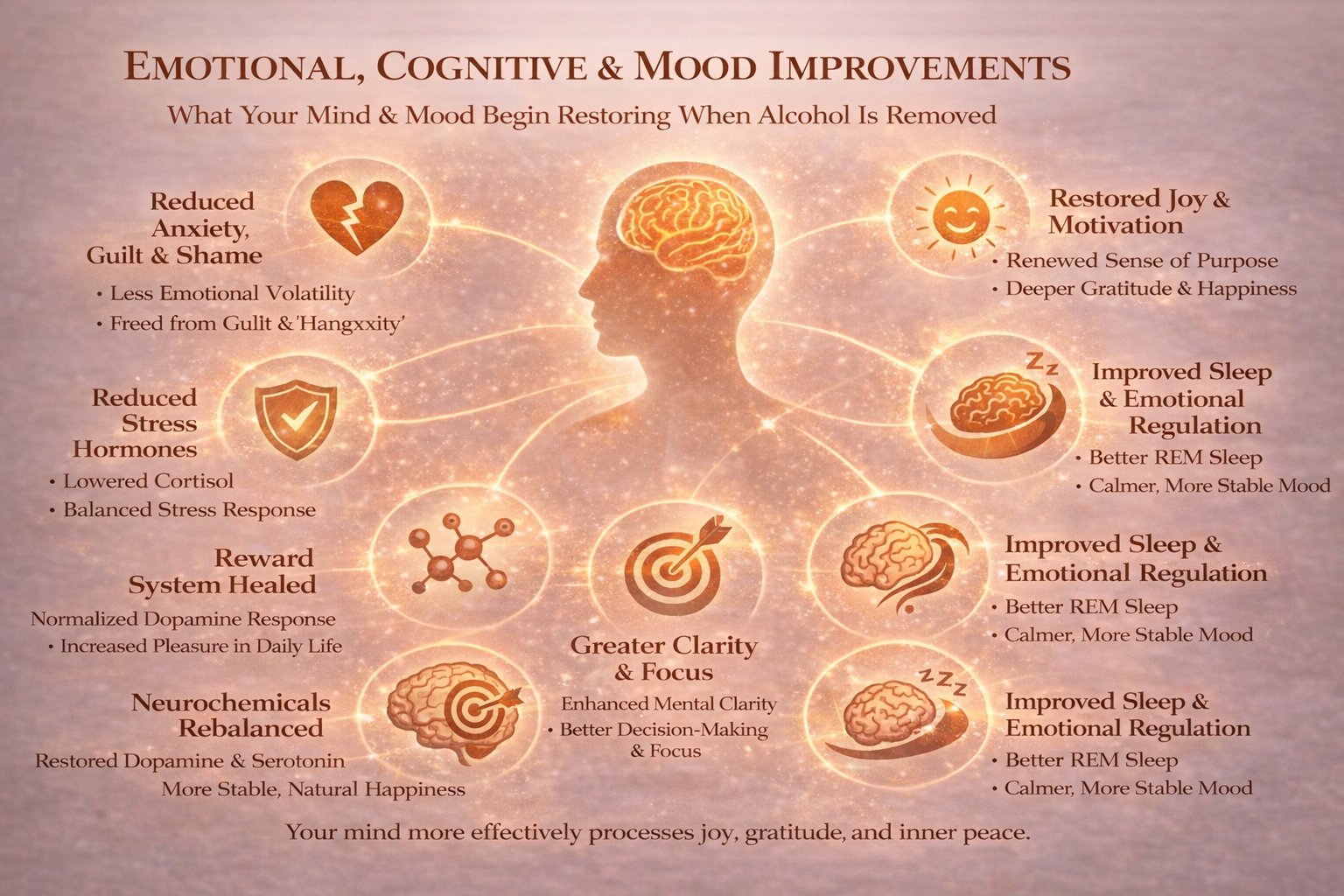
Alcohol consumption can lead to various impairment effects, impacting physical, mental, and emotional functioning. These effects can vary depending on the amount of alcohol consumed, your tolerance, and other factors such as body weight, age, and overall health.
DISCLAIMER: I am not a doctor of any kind. I do not have a medical degree.
Below is a list of the most relevant medical implications and impacts on bodily systems. It’s a very high-level summary and is compiled from data I have researched. For more details and questions, I encourage you to have a discussion with your PCP or anyone in the medical community, as they will be able to provide you with a very vast and wide compilation of health facts.
• Coordination and Balance: Alcohol affects the cerebellum, leading to impaired coordination and balance, increasing the risk of falls and accidents.
• Reaction Time: Delayed reaction times occur as alcohol slows down the central nervous system, making it difficult to respond quickly to stimuli.
• Motor Skills: Fine motor skills deteriorate, making tasks such as driving, writing, or handling objects more difficult.
• Speech: Slurred speech and difficulty articulating words are common as alcohol affects the brain regions responsible for speech.
• Vision: Blurred vision and reduced ability to track moving objects are common, which can be particularly dangerous when driving.
• Judgment and Decision Making: Alcohol impairs the prefrontal cortex, leading to poor judgment and risky decision-making.
• Memory: Short-term memory can be significantly impaired, and in higher quantities alcohol can cause blackouts or gaps in memory.
• Attention and Concentration: Difficulty focusing and maintaining attention is common, affecting performance in tasks that require sustained mental effort.
• Problem-Solving and Planning: Impairment in logical thinking, problem-solving, and planning abilities can occur, impacting both personal and professional activities.
• Mood Swings: Alcohol can cause mood swings, leading to heightened emotions such as aggression, anger, sadness, or euphoria.
• Lowered Inhibitions: Reduced inhibitions can result in behaviors that are out of character, such as risky sexual behavior, aggressive actions, or inappropriate social conduct.
• Anxiety and Depression: While initially alcohol might seem to reduce anxiety, it can actually worsen anxiety and contribute to depression.
Moderate alcohol consumption can cause temporary increases in heart rate and blood pressure. Heavy and chronic consumption of alcohol can have the following impacts:
• Hypertension: Heavy drinking can lead to high blood pressure, which is a major risk factor for heart disease and stroke.
• Cardiomyopathy: Chronic heavy drinking can weaken the heart muscle, leading to alcoholic cardiomyopathy, which reduces the heart's ability to pump blood effectively.
• Arrhythmias: Alcohol can disrupt the electrical signals in the heart, leading to irregular heartbeats such as atrial fibrillation.
• Increased Risk of Stroke: Excessive alcohol consumption is associated with an increased risk of both ischemic and hemorrhagic strokes.
• Heart Failure: Long-term heavy drinking can lead to heart failure, where the heart is unable to pump blood efficiently.
• Obesity: Alcohol is high in calories and can contribute to weight gain, which is a risk factor for cardiovascular disease.
Alcohol consumption can have a significant impact on the liver, and its effects vary depending on the amount and duration of drinking.
• Fatty Liver: Even a single episode of heavy drinking can lead to fat accumulation in liver cells.
Reversibility: This condition is usually reversible with abstinence from alcohol.
• Alcoholic Hepatitis: This is an inflamed liver. Symptoms may include jaundice, abdominal pain, fever, and nausea.
• Fibrosis: Liver injury that causes scar tissue to form, known as fibrosis. Fibrosis is a progressive condition that can worsen with ongoing alcohol consumption.
• Cirrhosis: Advanced scarring as a result of long-term liver damage and extensive fibrosis. Complications include variceal bleeding, ascites, hepatic encephalopathy, and increased risk of liver cancer. Cirrhosis is typically irreversible.
• Liver Cancer: Alcohol significantly increases the risk of hepatocellular carcinoma (HCC).
• Impaired Metabolism: Chronic alcohol use can impair the liver’s ability to metabolize toxins.
• Nutritional Deficiencies: Alcohol can interfere with the absorption and storage of essential nutrients.
Alcohol can have both acute and chronic effects on the digestive system, ranging from irritation and inflammation to increased cancer risks and organ damage.
• Mouth and Esophagus: Alcohol can irritate the mucous membranes and increase the risk of cancers of the mouth, throat, and esophagus.
• Stomach: Irritation and inflammation of the stomach lining (gastritis), which can lead to stomach pain, vomiting, and bleeding.
• Small Intestine and Pancreas: Alcohol interferes with nutrient absorption and can cause pancreatitis, affecting digestion and insulin production.
• Colon and Rectum: Alcohol is associated with increased colorectal cancer risk and can alter the gut microbiome.
• Dehydration and Electrolyte Imbalance: Alcohol acts as a diuretic and can lead to dehydration and electrolyte imbalance.
Alcohol can significantly weaken the immune system.
• Impaired Immune Cell Function: Alcohol impairs T cells, B cells, and macrophages.
• Disruption of Gut Barrier: Alcohol can damage the intestinal lining, leading to increased permeability (“leaky gut”).
• Inflammation: Chronic alcohol use promotes systemic inflammation.
• Impaired Antibody Production: Reduced ability to fight infections.
• Decreased White Blood Cell Count: Reduced neutrophils weaken immune defense.
• Increased Risk of Respiratory Infections: Including pneumonia and tuberculosis.
• Impact on the Liver: Liver damage compromises immune support.
• Altered Cytokine Production: Immune signaling becomes dysregulated.
Alcohol can disrupt hormonal balance and metabolic regulation.
• Hypothalamus and Pituitary Gland: Alcohol disrupts homeostasis, circadian rhythms, and hormone signaling.
• Adrenal Glands: Chronic alcohol use increases cortisol and stress hormones.
• Pancreas: Damage can impair insulin production and increase diabetes risk.
• Hormones: Alcohol disrupts reproductive hormones and menstrual cycles.
• Thyroid Gland: Alcohol can contribute to hypothyroidism or hyperthyroidism.
• Insulin Sensitivity and Metabolism: Chronic alcohol consumption can lead to insulin resistance.
• Bone Health: Alcohol can reduce bone density and increase fracture risk.
• Metabolic Functions: Alcohol can contribute to weight gain and blood sugar instability.
Alcohol is a central nervous system depressant, influencing the brain and spinal cord's functioning. The effects can range from mild impairment to severe neurological damage.
• Central Nervous System Depressant: Alcohol slows brain function by enhancing GABA activity.
• Glutamate Inhibition: Alcohol inhibits glutamate, reducing neural excitation.
• Dopamine Release: Alcohol increases dopamine in the brain’s reward pathway.
• Impact on Other Neurotransmitters: Alcohol affects serotonin and endorphins.
• Cerebellum: Impaired coordination and balance.
• Frontal Lobes: Poor judgment and impulse control.
• Memory Formation: Alcohol disrupts hippocampal memory formation.
Alcohol slows brain function and neural activity, leading to effects such as:
• Cognitive impairment and poor judgment
• Impaired motor coordination
• Slurred speech and altered perception
• Slower reaction times
• Emotional volatility
• Reduced Inhibitions: Alcohol lowers inhibitions, potentially leading to risky behaviors or poor decision-making — the “Fuck-It Zone.”
• Memory Formation: Alcohol disrupts hippocampal memory formation, leading to blackouts.
• Memory Loss and Cognitive Decline: Chronic alcohol use can cause long-term brain damage.
Alcohol use can lead to structural and functional changes in the brain, including:
• Brain shrinkage
• Wernicke-Korsakoff syndrome
• Neurotoxicity and neuronal death
• Brain Volume: Brain atrophy in the frontal lobes and hippocampus.
• White Matter Integrity: Damage to communication pathways between brain regions.
• Hippocampus: Alcohol inhibits the formation of new neurons.
• Cell Death: Alcohol can be directly toxic to neurons.
• Oxidative Stress: Alcohol metabolism produces reactive oxygen species.
• Inflammatory Response: Chronic alcohol consumption activates microglia and inflammatory pathways.
• Genetic Susceptibility: Some individuals are genetically more vulnerable to alcohol addiction.
• Epigenetic Changes: Alcohol can alter gene expression affecting brain function.
• Mood Disorders: Increased risk of depression and anxiety.
• Psychiatric Conditions: Alcohol can exacerbate existing psychiatric conditions and contribute to Alcohol Use Disorder (AUD), a chronic brain disease characterized by compulsive alcohol use and loss of control over drinking.